



rolling mill in steel plant
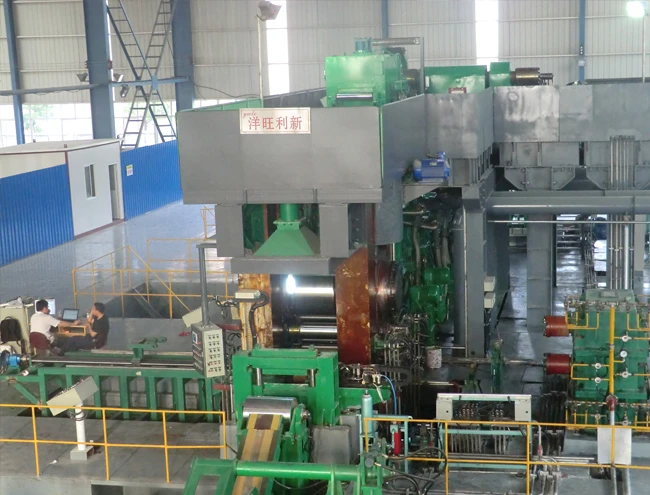
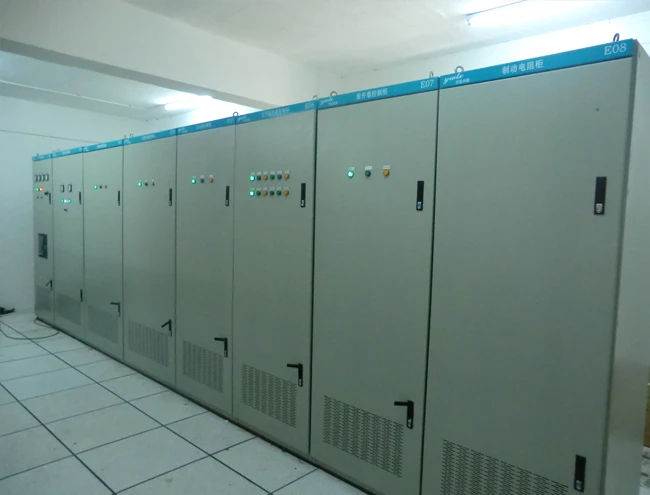
In the dynamic landscape of the steel industry, a rolling mill at a steel manufacturing plant stands as a pillar of precision engineering and expert craftsmanship. This pivotal equipment transforms molten steel into essential products used across numerous industries, reflecting not only the plant's capability but also its operational prowess. Rolling mills are the heart and soul of steel production . Their role cannot be overstated, given that they convert raw steel billets into usable forms such as sheets, bars, and coils, essential for everything from construction to automobile manufacturing. The machinery’s intricate design and complex engineering require an in-depth understanding of both metallurgical processes and mechanical dynamics to operate efficiently. For those with experience in the steel sector, the rolling mill is known for its immense power and precision. These machines must withstand the harshest industrial conditions, operating tirelessly to ensure continuous production. Engineers and operators working with rolling mills on a daily basis understand the importance of maintenance and calibration. Regular upkeep ensures the longevity of the rollers and the quality of the steel products, mitigating risks of operational downtime. The expertise involved in operating a rolling mill is not limited to the handling of machinery. It encompasses a deep knowledge of steel grades, temperature management during the rolling process, and a thorough understanding of end-product specifications. Professionals engaged in this field must be well-versed in the nuances of steel chemistry and how it influences rolling dynamics. Their expertise is further enhanced by training and real-world experience, making them invaluable assets to any steel plant. Authoritativeness in the rolling mill domain is often seen in the meticulous attention to quality control and standards compliance. Leading manufacturers and engineers are committed to adherence to industry norms and standards, ensuring that each phase of the steel rolling process meets stringent quality benchmarks. They utilize advanced technologies such as automated controls and data analytics to monitor performance and ensure that each batch of steel meets precise tolerances and specifications. The rolling mill in the steel plant Trust in rolling mill operations is built upon transparent processes and a track record of reliability. Plants that prioritize an uncompromising stance on safety and environmental standards often gain the trust of their clients and stakeholders. This trust is further reinforced by fostering a collaborative environment where continuous improvement is encouraged, allowing teams to innovate and refine processes in pursuit of excellence. One notable innovation in the industry is the integration of smart technologies with traditional rolling mills. Digitization offers real-time monitoring and predictive maintenance capabilities, drastically reducing the likelihood of unexpected breakdowns. This advancement not only optimizes productivity but also extends the lifespan of the machinery, ultimately driving down operational costs. Furthermore, sustainability is becoming an integral focus, with advancements aimed at minimizing carbon footprints. Innovations such as energy-efficient motors, recycling of process heat, and waste reduction mechanisms are being introduced. This positions the steel industry as a forward-thinking sector, ready to meet the challenges of a greener future. As a product within the steel arena, a rolling mill is not merely a piece of equipment but a testament to human ingenuity and industrial evolution. It embodies a synthesis of technology, skill, and strategic management, crucial for maintaining competitive advantage. The plant's success hinges on its ability to remain adaptive and responsive to the ever-evolving demands of the market, while steadfastly upholding the pillars of experience, expertise, authoritativeness, and trustworthiness. In conclusion, the rolling mill at a steel manufacturing plant symbolizes more than just mechanical proficiency; it represents the culmination of dedicated expertise and unwavering commitment to quality and innovation, aspects vital for sustaining leadership in a competitive industry. Experts in the field continue to push the boundaries of what is possible, driven by the goal of enhancing efficiency, ensuring safety, and advancing sustainability.

We have successfully executed over 500
projects around the world,
many first-of-their-kind
research projects and products in China, including
We have successfully executed over 500
projects around the world,
many first-of-their-kind
research projects and products in China, including
-
2004
The 1st hydraulic AGC system for hot rolling of ribbon steel
-
2006
The 1st AFC system used for 1450mm skin pass mill
-
2009
The 1st 5-stand tandem line with 2-stand POR & Uncoiler for 650mm ribbon steel
-
2012
The 1st reversing mill for 1380mm strip
-
2016
The 1st soft-rolling system used in skin pass mill
-
2019
The 1st fully automated medium-width tandem cold rolling mill
-
2021
The 1st 5000KN Twin-stand double skin pass mill
-
2022
The 1st coupled pickling line & tandem cold mill with two modes - big roller & small roller
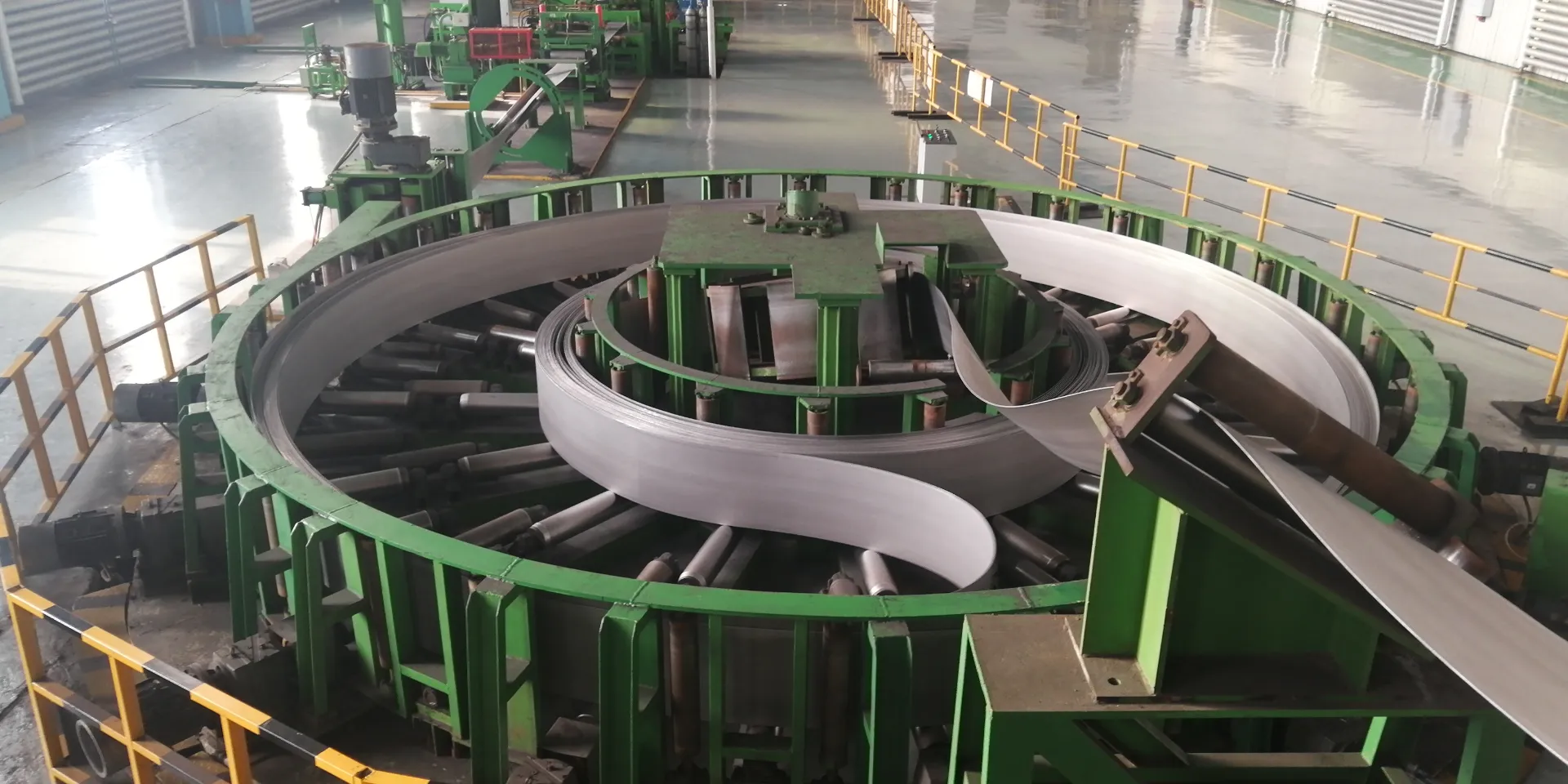

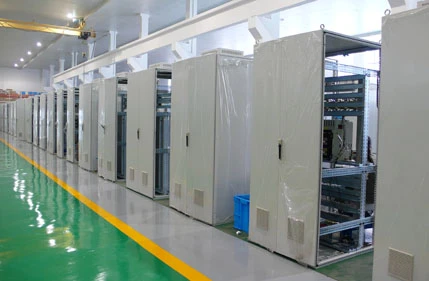
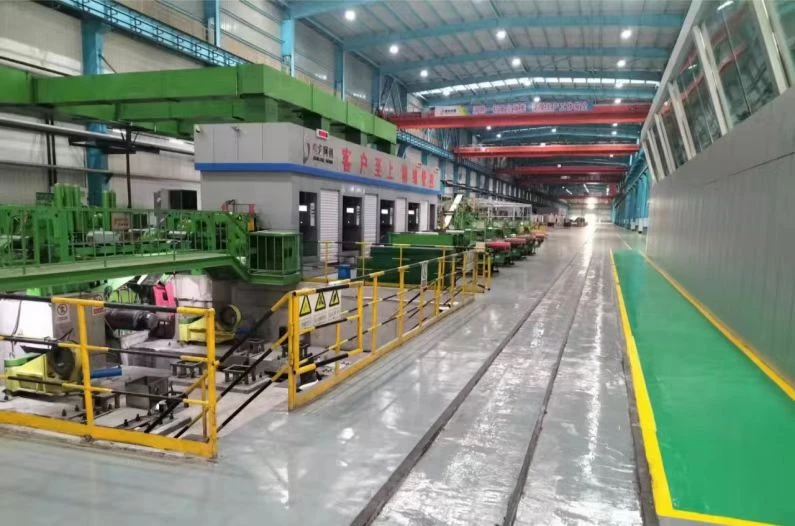
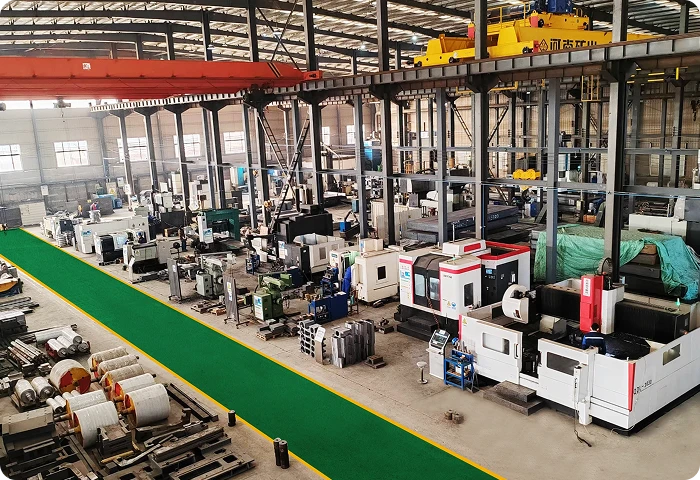
Yang Wang Li Xin operates a state-of-the-art facility over 66,000 square meters,and our manufacturing facility is fully equipped with high-tech machinery and high-capacity cranes. This enables us to handle large work pieces measuring 4.5m in width, 10m in length, and 1.5m in height, guaranteeing our capacity to produce 1800mm skin-pass mills and 1450mm rolling mills. The individual piece can weigh up to 100 tons.

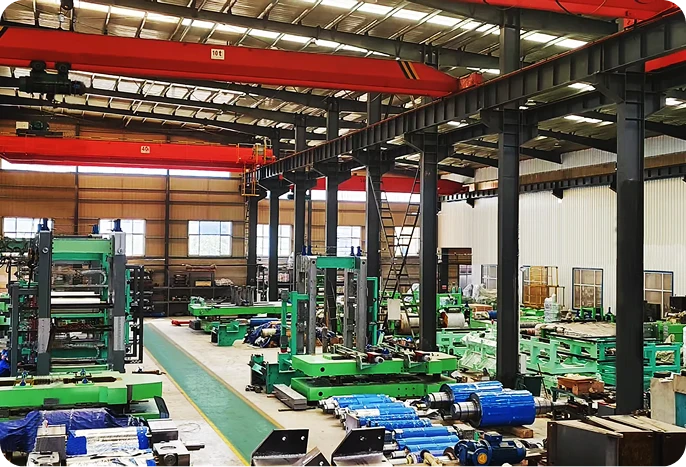

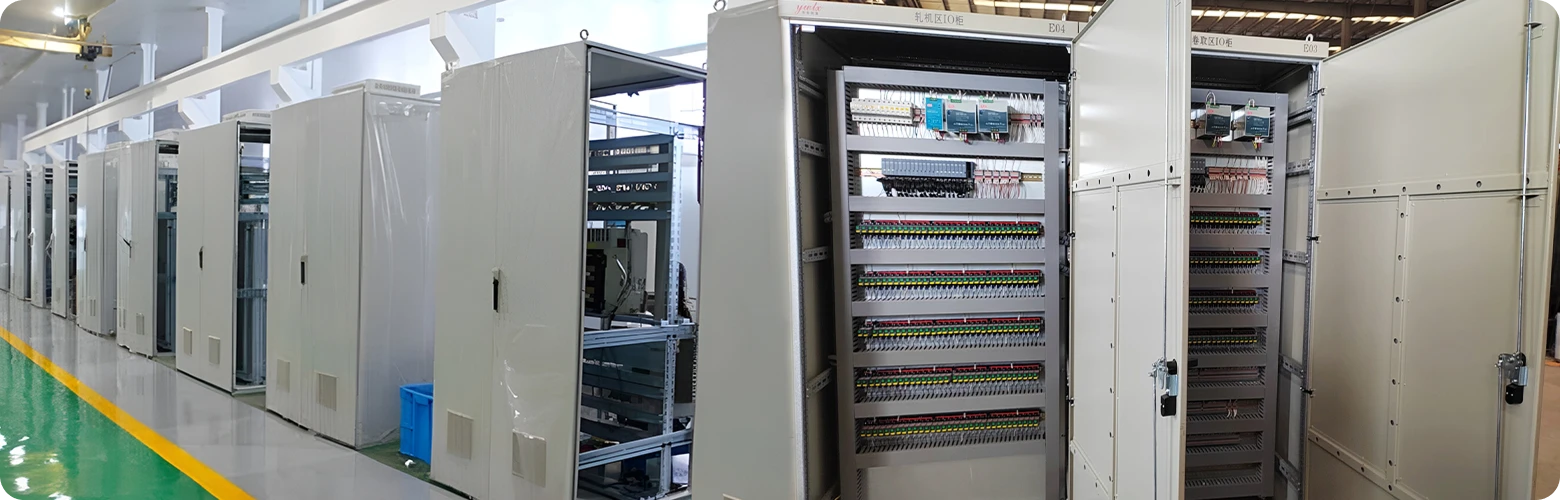
Quality is fundamental to the enterprise survival. We have established a comprehensive and meticulous quality management system and have successfully obtained ISO14000 certification. Starting from the design source, it supervises the entire production cycle, including design, procurement, processing, assembly, in-factory testing, installation, and online commissioning. The workshop is equipped with measuring tools like vernier calipers, spectrometers, hardness testers, and ultrasonic flaw detectors. They are used to check materials and control tolerances to ensure the final equipment meets or exceeds requirements. All products have a unique code, This enables the easy identification and traceability of the equipment components and ensures full control of quality.


-
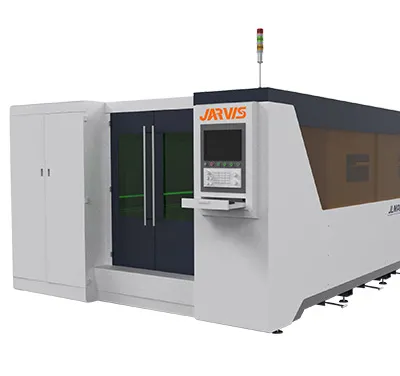 clad pipe weldingThe modern industrial landscape heavily relies on stainless steel, a testament to its versatility and the crucial role it plays across a multitude of applications. Central to the production of high-quality stainless steel sheets is the stainless steel sheet mill, an epitome of precision, technology, and expertise. In the heart of stainless steel production lies the expertise of metallurgical engin
 -
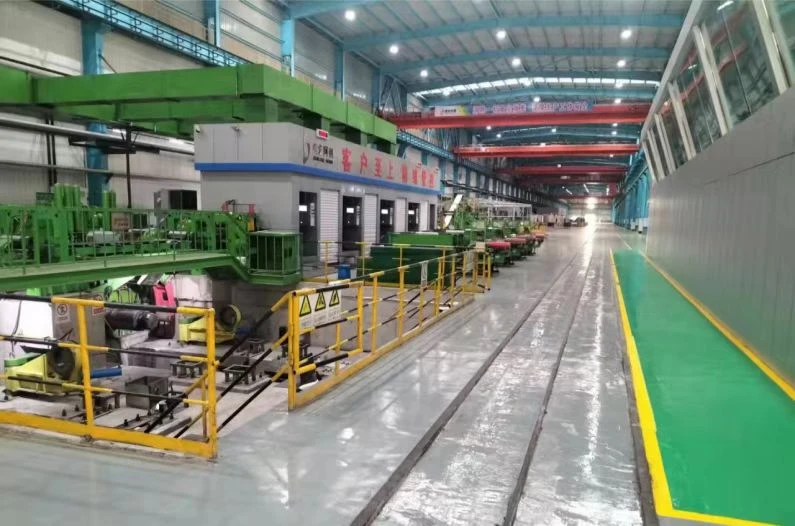 Cold Rolling Cladding Mill - YWLX|High-Efficiency Metal BondingIntroduction The demand for advanced roll bonding cladding solutions has surged as industries seek sustainable and cost-effective methods for metal bonding. Traditional techniques like hot roll bonding cladding have long been used, but they often face challenges such as low surface quality, high energy consumption, and environmental concerns. In response, YWLX , a leading manufacturer in metal pro
 -
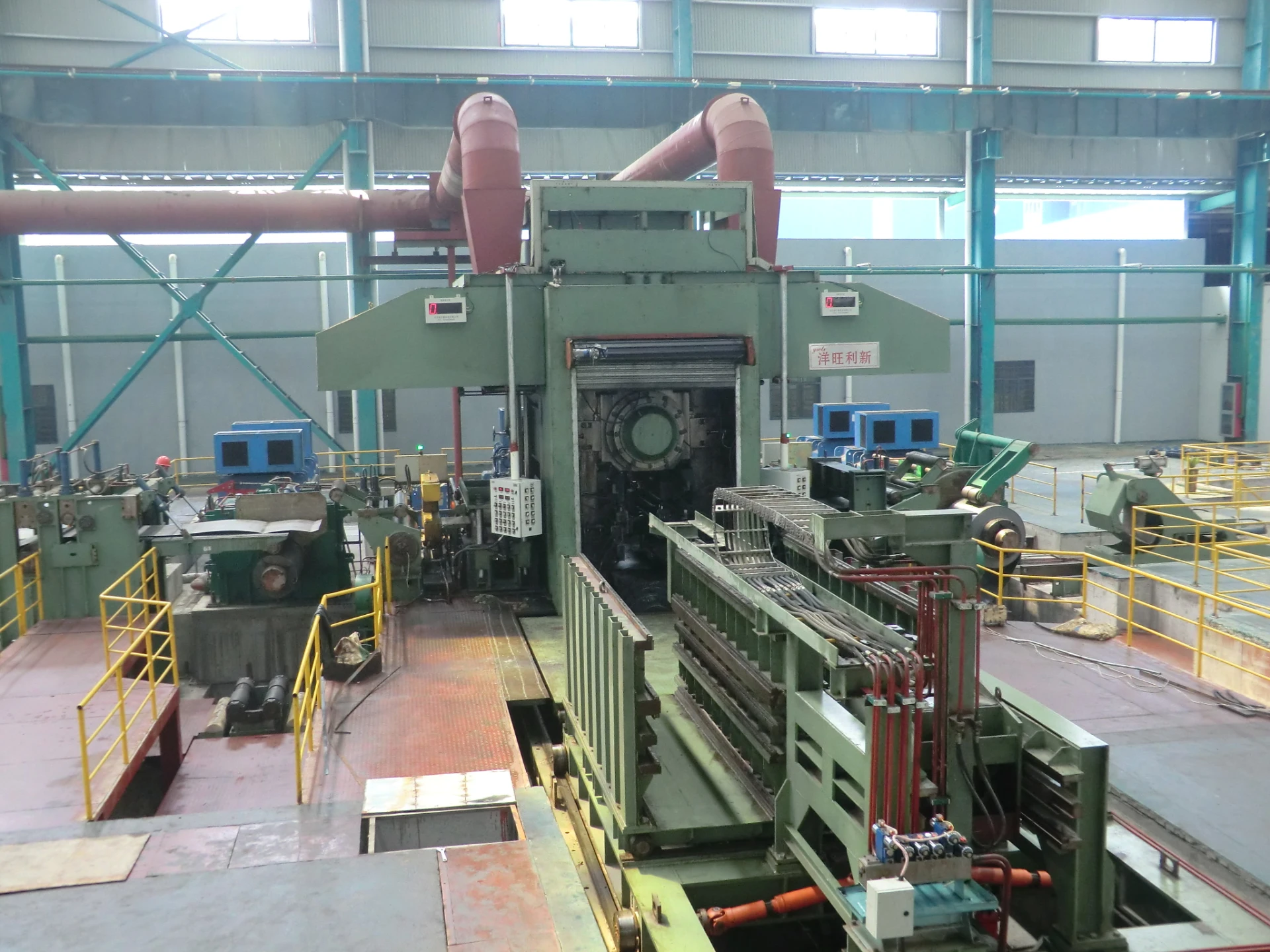 tandem cold millStainless steel mills have risen to prominence in the industry due to their durability, efficiency, and versatility. As technology continues to progress, these mills have become integral to various sectors, from food processing to chemical manufacturing. One of the standout features of stainless steel mills is their exceptional resistance to corrosion, which guarantees long-term functionality even


